Common Pitfalls of Odoo ERP Customization (and How to Avoid Them)

Odoo customization can transform your business—but only if change management is taken seriously. Many organizations invest in powerful customizations only to see them fail due to poor planning, weak leadership, or lack of team buy-in. This post explores the most common pitfalls and how to navigate them successfully.

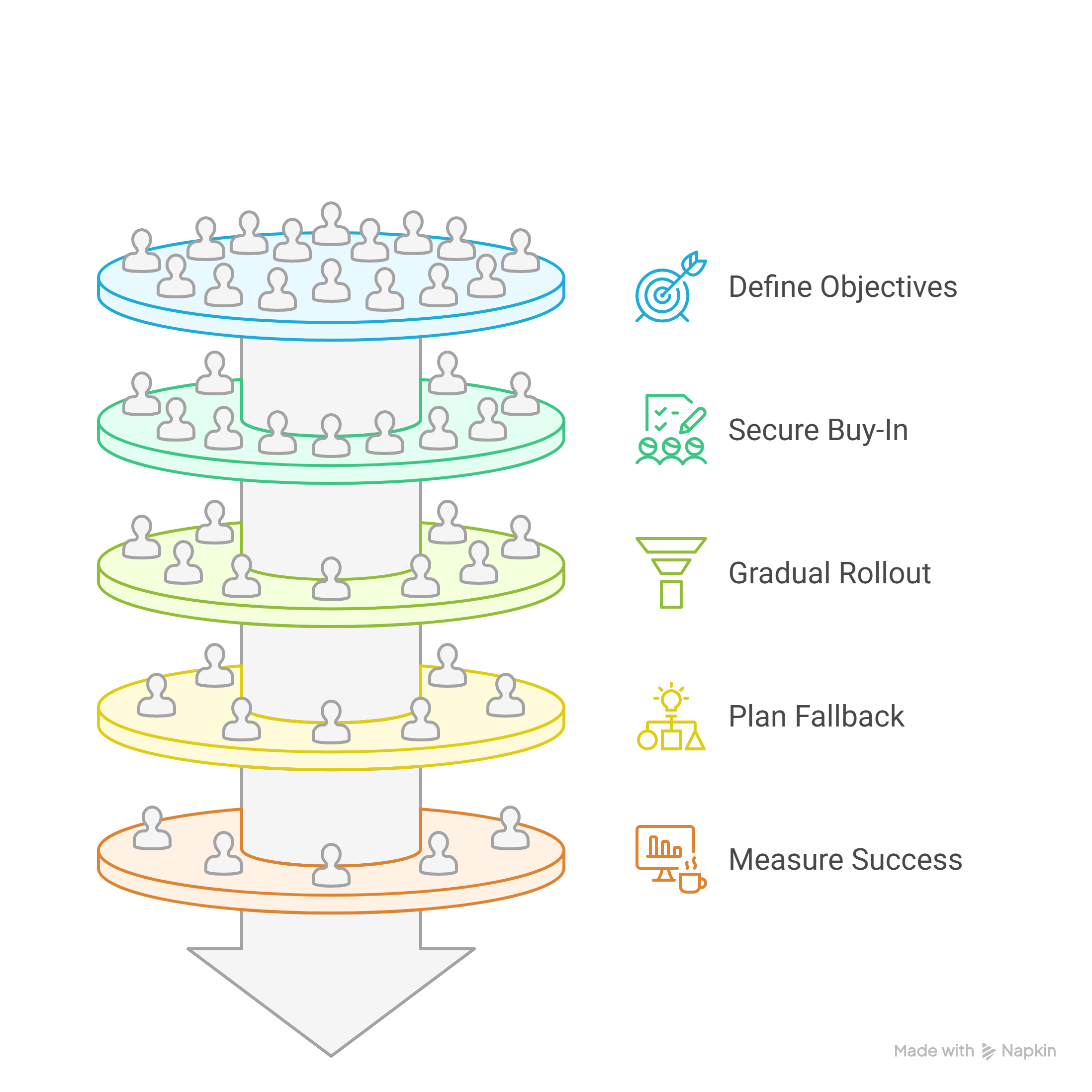
Unclear Organizational Objective—The Foundation Must Be Solid

The Pitfall:
Many customization projects begin without a clear understanding of what the business is trying to achieve. Teams skip the hard work of defining the gap between current state and desired state, leading to solutions that don't solve real problems.​

Why It Matters:
ERP customization is fundamentally a change of heart and operation. Leadership must not just approve the project—they must understand it deeply and champion it. If the objective is vague (e.g., "make things faster"), the customization will be unfocused and fail to drive ROI.​

The Fix:

  • Define the business objective clearly: "We want to reduce order processing time by 40%" or "We need SST-compliant invoicing to meet LHDN requirements."

  • Identify the specific pain point or regulatory gap the customization addresses.

  • Ensure leadership can articulate the "why" to the entire organization.​

Weak Team Buy-In—Resistance Kills More Projects Than Bad Code

The Pitfall:
Customizations are rolled out without earning user buy-in. Employees see the change as something imposed on them, not something designed to help them.​

Why It Matters:
Resistance to change is psychological, emotional, and political. Fear of incompetence, loss of autonomy, or job displacement drives passive resistance—employees return to spreadsheets, slow-walk adoption, or deliberately avoid the new system. This "silent sabotage" is more damaging than any technical issue.​

The Fix:

  • Communicate early and often: Explain the business case, the benefits to users, and how it will make their jobs easier, not harder.​
  • Empower change champions—experienced employees from each department who test the changes early and become peer advocates.​
  • Address concerns directly: Listen to employee fears and proactively address them with evidence and support.​

Going "Cold Turkey"—Gradual Rollout Beats Big Bang

The Pitfall:
Organizations implement major customizations all at once, forcing users to adapt overnight. This leads to shock, overwhelm, and high error rates during the critical early period.​

Why It Matters:
Humans adapt better to incremental change. When users gradually experience new workflows, they have time to internalize changes, report issues early, and build confidence.​

The Fix:

  • Pilot changes with paper or Excel first: Test the new workflow manually before deploying in Odoo. This allows teams to document the actual process, spot gaps, and get buy-in.​
  • Phased rollout: Deploy to one department or team first. Gather feedback, refine, then expand.​
  • Parallel runs: Run old and new processes side-by-side for a period, allowing teams to validate results and build confidence.​
  • Malaysian example: When e-Invoicing was mandated, accountants, salespeople, and finance staff all had to learn to collect TINs (Tax Identification Numbers). Because the change was universal (every company was affected), there was a cushion of sympathy. However, if your customization affects only a few departments in isolation, those teams may feel singled out—increase their support and celebrate their early wins.​

No Fallback Plan—When Things Go Wrong, You Need an Exit

The Pitfall:
Few organizations plan for what to do if a customization doesn't work as expected. When things fail, there's no rollback, no contingency, and the business grinds to a halt.​

Why It Matters:
Technical or adoption issues can derail even well-intentioned customizations. Without a fallback plan, panic and blame ensue. With one, you can gracefully step back, regroup, and try again.​

The Fix:

  • Document the current process before any change: Ensure you can revert to it if needed.
  • Plan for phased cutover: Keep the old system running in parallel until you're confident the new process is stable.
  • Define success criteria upfront: "This customization succeeds when 95% of orders are processed without error for 2 weeks straight."
  • If those criteria aren't met, pause, investigate, and improve before continuing.​

Not Measuring Impact—How Do You Know If It Worked?

The Pitfall:
After the customization goes live, organizations rarely measure whether it delivered on its promises. Years later, nobody remembers why a feature exists—it's just overhead.​

Why It Matters:
Without metrics, you can't justify ROI, identify what's not working, or plan next steps. You also accumulate "white elephants"—expensive features that nobody uses.​

The Fix:

  • Define key performance indicators (KPIs) before implementation:
    • Time saved: Hours per user per day/week/month.​
    • Error reduction: Pre- and post-customization error rates.​
    • User satisfaction: Net Promoter Score (NPS) or simple surveys.​
    • System adoption: % of users regularly using the new feature.​
    • Financial impact: Cost savings or revenue improvement.​
  • Measure at 30, 90, and 180 days post-launch.​
  • Report results transparently and celebrate wins.​

Not Measuring Impact—How Do You Know If It Worked?

The Pitfall:
After the customization goes live, organizations rarely measure whether it delivered on its promises. Years later, nobody remembers why a feature exists—it's just overhead.​

Why It Matters:
Without metrics, you can't justify ROI, identify what's not working, or plan next steps. You also accumulate "white elephants"—expensive features that nobody uses.​

The Fix:

  • Define key performance indicators (KPIs) before implementation:
    • Time saved: Hours per user per day/week/month.​
    • Error reduction: Pre- and post-customization error rates.​
    • User satisfaction: Net Promoter Score (NPS) or simple surveys.​
    • System adoption: % of users regularly using the new feature.​
    • Financial impact: Cost savings or revenue improvement.​
  • Measure at 30, 90, and 180 days post-launch.​
  • Report results transparently and celebrate wins.​

Technical & Operational Blind Spots

The Pitfall:
Many organizations overlook critical technical and operational details that derail adoption:

  • Staff retraining: New processes require training. Failing to budget time and resources for it leads to repeated mistakes.​
  • Cross-functional coordination: Customizations often affect multiple departments. If Finance, Sales, and Operations don't align, siloed processes fail.​
  • No post-implementation review: After 3-6 months, organizations should conduct a formal post-mortem—what worked, what didn't, what needs refinement.​


The Fix:

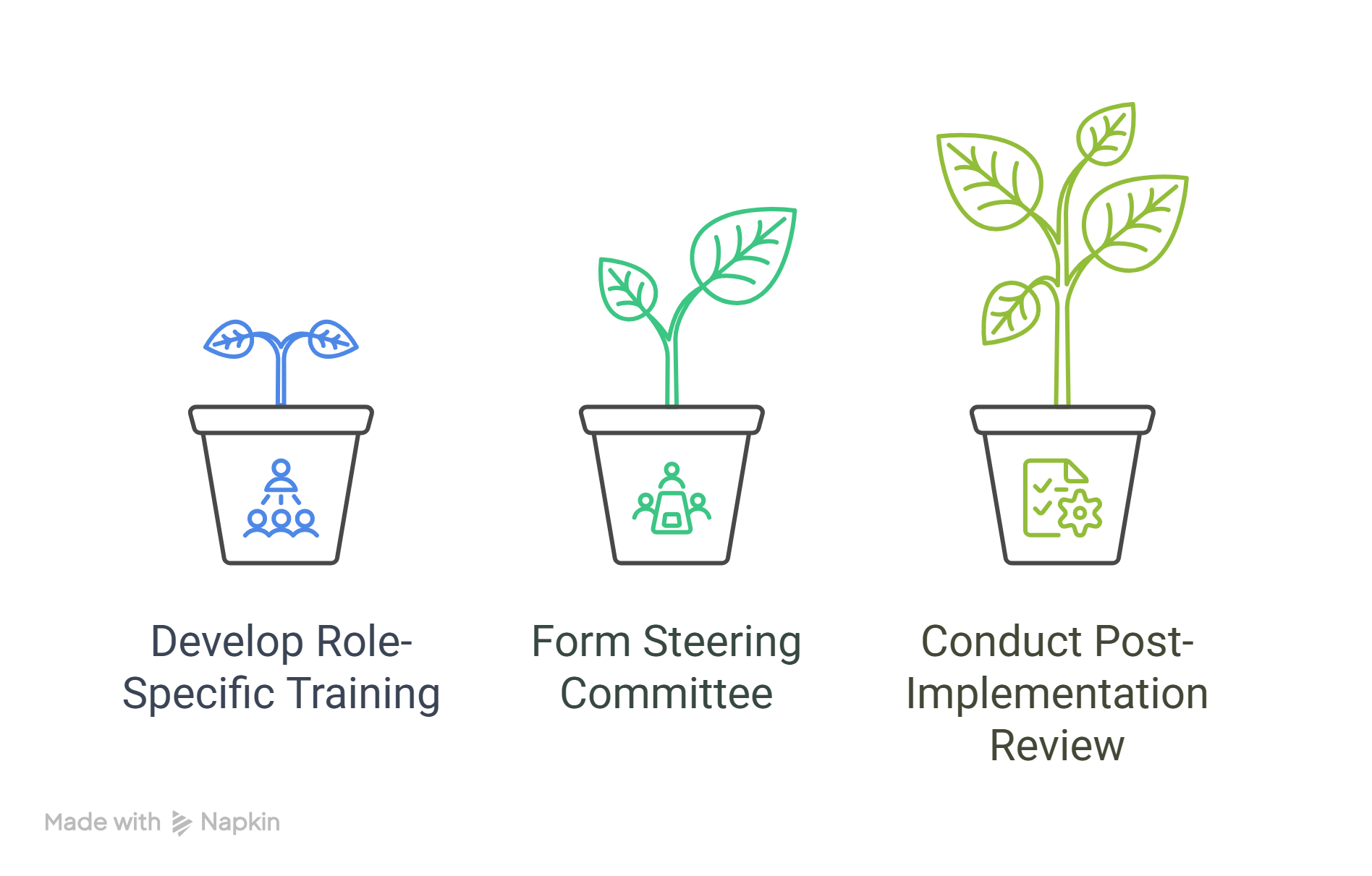
  • Create a training plan specific to each role and workflow. Role-based training is more effective than generic training.​
  • Establish a cross-functional steering committee to oversee the customization and resolve interdepartmental issues.​
  • Schedule a post-implementation review at 90 days. Document lessons learned and plan next phases.​

Underestimating Cultural Disruption (and Underestimating the Champion)

The Pitfall:
Organizations treat Odoo customization as a technical project when it's truly an organizational transformation. They underestimate how deeply embedded legacy processes are and how hard employees will resist.​

Why It Matters:
ERP systems expose inefficiencies, centralize data, and remove autonomy. Employees accustomed to informal authority, shadow processes, or workarounds may feel threatened. Without recognizing this, resistance festers.​

The Fix:

  • Acknowledge the change as cultural, not just technical.​
  • Identify informal power structures and engage influential employees (not just formal leaders).​
  • Recognize and reward "change champions" who drive adoption among peers.​
  • Listen to legacy process experts—they often know things the formal documentation doesn't, and their buy-in is critical.

Scope Creep & Feature Bloat—The Perfectionism Trap

The Pitfall:
Customization projects expand endlessly: "While we're at it, let's add this feature…" Scope balloons, timelines slip, costs multiply, and the original objective gets lost.​

Why It Matters:
Each additional feature increases complexity, upgrade risk, and maintenance burden. By the time the project launches, half the features go unused because requirements shifted.​

The Fix:

  • Freeze the scope: Define exactly what's in and what's out before development starts.​
  • Prioritize ruthlessly: Use the 80/20 rule—identify the 20% of features that deliver 80% of the value and focus there.​
  • Defer "nice-to-have" features to Phase 2.​
  • Document every change request and its business justification.​

Ignoring Data Quality—Bad Data In, Bad Decisions Out

The Pitfall:
Organizations customize Odoo but fail to clean and validate their data before migration. Corrupted or incomplete data in the ERP corrupts all downstream decisions.​

Why It Matters:
If customer master data is incomplete, supply chain dashboards are useless. If product codes are inconsistent, reports are misleading. Users lose trust in the system.​

The Fix:

  • Audit and cleanse data before customization deployment.​
  • Validate data quality post-implementation and continuously.​
  • Include data accuracy as a key KPI.​

Conclusion: Customization as a Change Journey, Not a Technical Sprint

While this article was attentioned towards Odoo customization , it is applicable to all aspects of life and business when attempting a change. The most successful Odoo customizations aren't the most technically sophisticated—they're the ones backed by clear objectives, strong leadership, gradual adoption, and rigorous measurement. Treat customization as an organizational change initiative first and a technical project second.

Key Takeaways:

  1. Articulate the business objective clearly—leadership must champion the change.
  2. Earn team buy-in through communication, early involvement, and addressing fears.
  3. Rollout gradually—paper process, pilot, then full deployment.
  4. Plan for fallback—know your exit strategy before you need it.
  5. Measure success ruthlessly—justify ROI and identify what's working.
  6. Remember it's cultural, not just technical—respect legacy expertise and informal power.
  7. Guard against scope creep—freeze scope and prioritize the 80/20.
  8. Validate data—clean data is the foundation of trust.
Contact Us

Considering an Odoo customization? We've seen both successes and failures. Let's discuss your objectives, your team's readiness, and how to navigate change management to ensure your customization delivers real business value.

We believe every company is unique with different processes, even within the same industry. We work with our clients to make sure the processes fits your company, instead of the other way around.
LET'S MEET!
phone-handset linkedin facebook pinterest youtube rss twitter instagram facebook-blank rss-blank linkedin-blank pinterest youtube twitter instagram